
At Nitroerg, we implement a range of projects focused on environmental protection, as ecological responsibility is one of the key priorities of our business. We consistently invest in modern technologies, emission-reducing solutions, and systems that increase the efficiency of raw material and energy use. We believe that industrial development should go hand in hand with care for the environment, which is why we take concrete actions that yield measurable results. Below are the most significant among them.
A Second Life for Acid
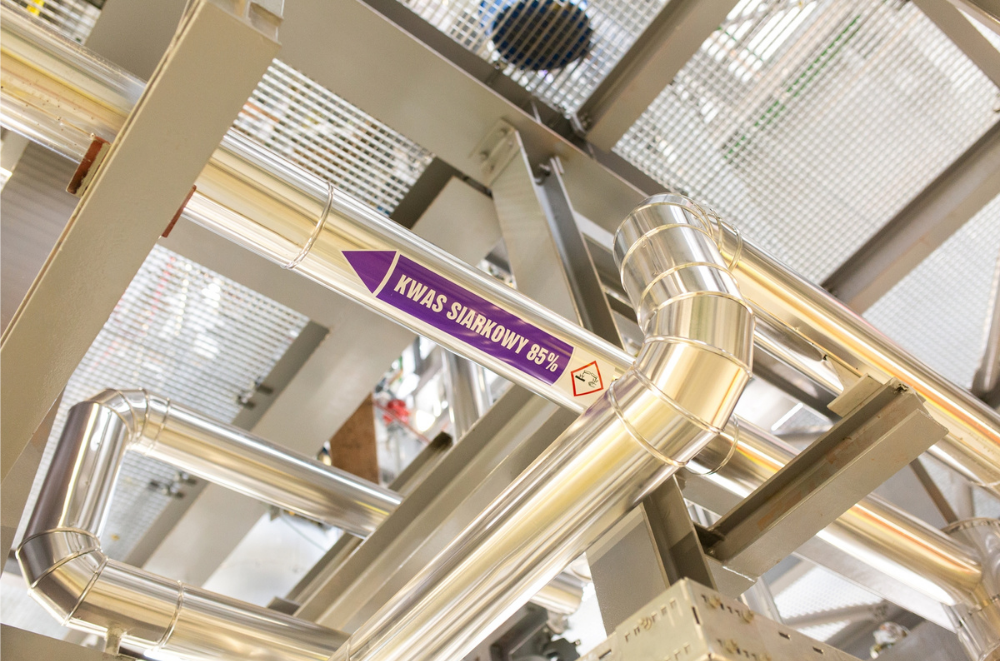
The modern chemical industry is increasingly proving that high efficiency can coexist with environmental care. Modern technologies not only boost production efficiency but also reduce waste and allow for better utilization of raw materials. This is the direction in which today’s most advanced industrial installations are evolving—combining innovation with responsibility.
An example of this approach is the installation for the production of NITROCET 50 (a diesel fuel additive), equipped with a modern acid recirculation system. At its heart is a completely closed-loop sulfuric acid circuit, which transforms the traditional process model. In conventional solutions, sulfuric acid became waste after the cycle, requiring further management, generating costs, and making the producer dependent on market conditions. The closed loop eliminates this problem, reduces waste generation, and increases production stability. The result is a more sustainable, predictable process that is beneficial both economically and environmentally.
The ecological nature of the installation is also evident in the management of other waste streams. Water used to wash the product, which contains acid residues, is not discharged into the sewage system. Instead, it is directed for recovery, allowing the components within it to be reused and raw material losses to be minimized.
Furthermore, the installation enables the use of 50% nitric acid derived from the production of nitroesters. This substance, which was previously difficult to manage, now constitutes a significant part of the raw material feed and can account for up to 13% of the total nitric acid used. Thanks to these solutions, the production of NITROCET 50 is no longer a linear process where raw materials turn into products and waste; it has become a circular process.
Industrial Wastewater Treatment Plant
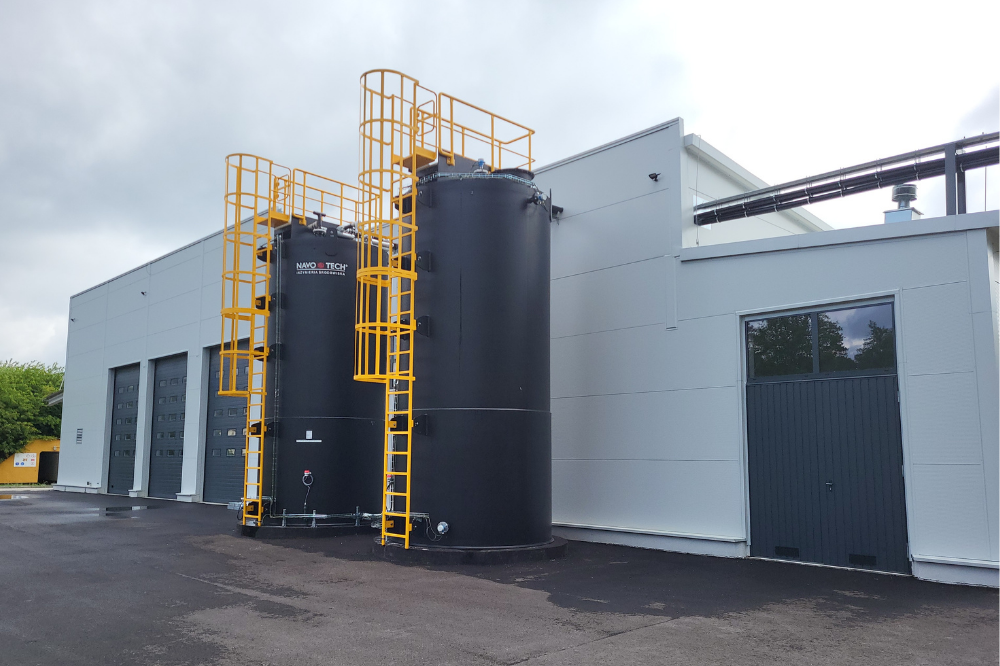
The modern wastewater treatment plant in Krupski Młyn is another step toward responsible industry. In the chemical sector, effective management of post-production wastewater is crucial—not only for regulatory compliance but, above all, for protecting the environment and local natural resources. Therefore, a high-capacity installation combining safety, efficiency, and advanced technology was built on-site.
The treatment process is based on a combination of vacuum distillation, activated carbon filtration, and reverse osmosis. This multi-stage approach effectively separates contaminants and recovers up to 90% of the water at a very high degree of purity. Once thoroughly treated, the high-quality water is discharged into the Mała Panew River.
The use of vacuum allows the boiling process to occur at a lower temperature, significantly reducing energy consumption. Additionally, the installation utilizes a heat recovery system, increasing energy efficiency and reducing the entire plant’s environmental footprint.
The new treatment plant also eliminates the need to transport wastewater to third-party facilities, resulting in lower logistics-related emissions and greater control over the entire process. The full hermeticity of the installation and sealed, monitored concentrate tanks ensure that potentially harmful substances do not escape into the soil or air.
Renewable Energy Sources (RES)
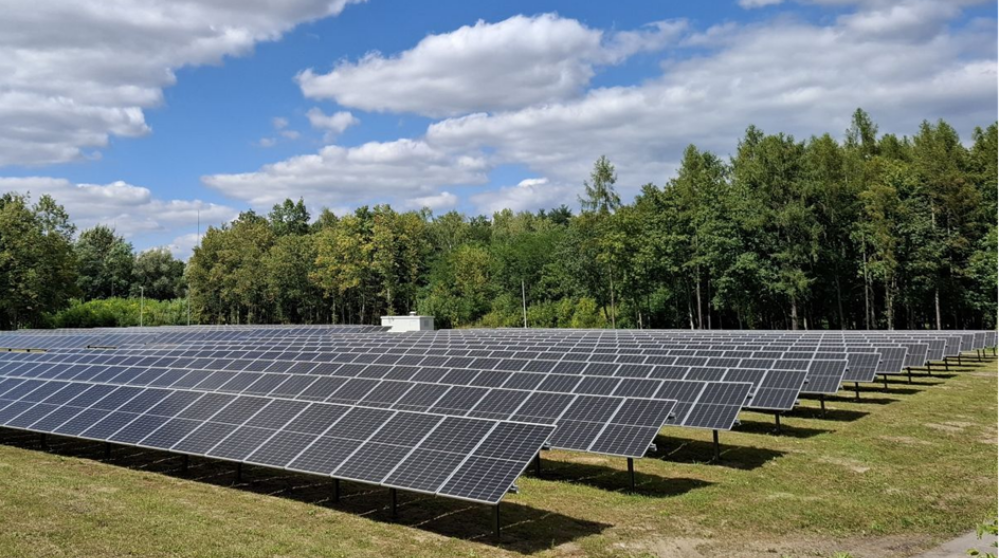
In the face of global climate challenges, the energy transition has become one of our primary goals. The scale of our operations in Bieruń and Krupski Młyn generates an annual electricity demand of 12,000 MWh—equivalent to the consumption of several thousand households. In 2025, photovoltaic installations were launched at both of the Company’s locations.
These installations were sized to ensure that as much produced energy as possible is used for internal needs, especially on sunny workdays. We aim to balance production and consumption on weekends as well, maintaining energy supply stability without needing to limit the installation’s power. By consistently expanding our own renewable energy sources, we not only increase our energy independence but, most importantly, tangibly and permanently reduce our carbon footprint.
Investments in Electromobility
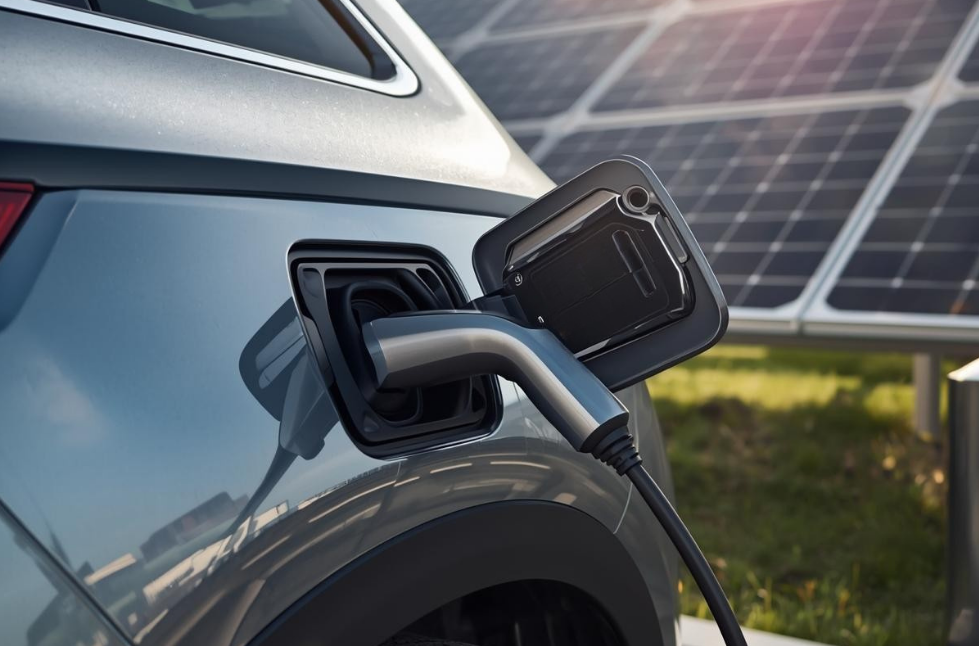
As part of our fleet modernization strategy, in 2025, we added electric vehicles and charging stations to our locations in Bieruń and Krupski Młyn. This decision aligns with global trends in transport decarbonization and operational cost optimization.
The purchased vehicles represent the latest generation of electric units. By utilizing a charging system based on our own RES installations, we can eliminate the carbon footprint during vehicle operation. Locally generated energy makes the charging points independent of market electricity price fluctuations.
Modern and Efficient Heat Sources
We are taking steps to modernize the heat generation system at our plant. By the end of 2029, we plan to decommission the coal-fired boiler house and replace it with a modern gas-oil boiler house with a total capacity of approximately 4 MW. This change will significantly reduce emissions and increase the efficiency of heat production for technological purposes and building heating.
The new installation will also include a cogeneration unit powered by a combustion engine. This process simultaneously generates electricity, while the resulting heat is fully utilized for the plant’s needs. We are also simultaneously reducing heat demand through systematic thermal modernization of buildings. In 2025, an energy audit was conducted to identify further areas for optimization.

Waste Reduction
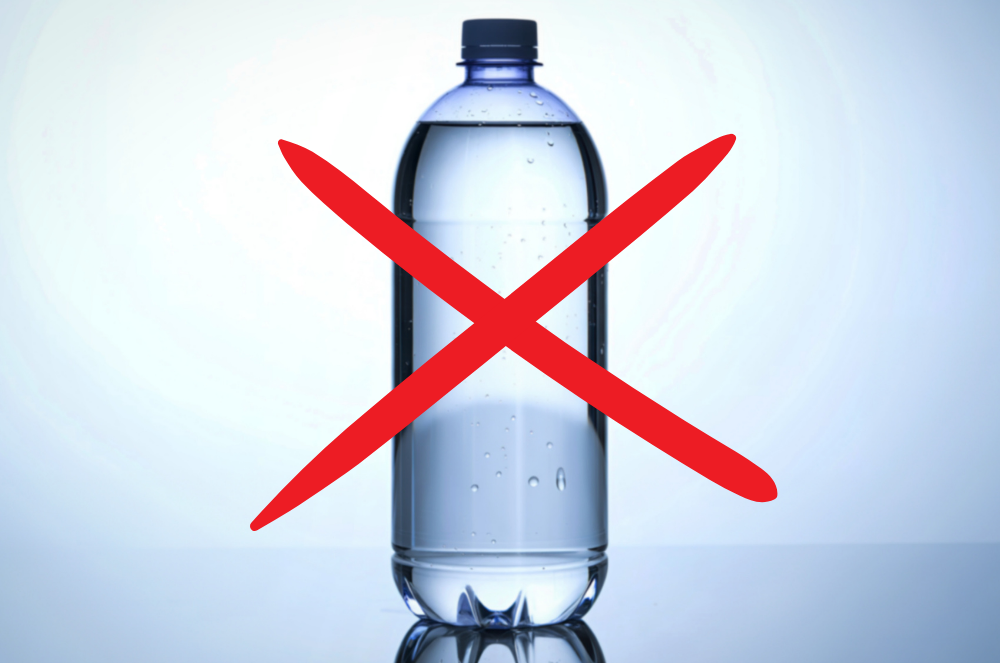
We consistently reduce the amount of waste generated, including municipal waste, by analyzing processes and identifying areas for improvement. One of the first steps was changing the way water is distributed to employees. We replaced single-use bottles with bulk containers.
We estimate this simple solution will reduce consumption by up to 200,000 single-use bottles per year. This small change in daily operations translates into a real reduction in plastic waste and a smaller environmental burden. It is an example of how ecological responsibility starts with concrete decisions made every day.

Este sitio web procesa datos personales en los términos establecidos en la Política de privacidad y Política de cookies, que están disponibles para su lectura en la Política de privacidad y la Política de cookies. NITROERG SA utiliza cookies principalmente para optimizar el uso del sitio web. Otra información sobre las cookies, incluida la posibilidad de cambiar la configuración de su navegador, está disponible en el enlace Política de cookies. more information
The cookie settings on this website are set to "allow cookies" to give you the best browsing experience possible. If you continue to use this website without changing your cookie settings or you click "Accept" below then you are consenting to this.


